Most people think of pennies as mere pocket change, but what if they’re hiding a treasure trove? That’s right! Some modern pennies are worth more than their face value, and they could be lurking in your couch cushions or that jar of loose coins. Imagine finding a penny that’s worth a small fortune—now that’s a reason to dig deep!
Understanding Modern Pennies
Modern pennies, minted since 1982, consist primarily of zinc with a thin copper coating. Collectors often seek certain examples due to their potential value. Mint errors, for instance, can dramatically increase a penny’s worth. The 1983 doubled die penny consistently fetches high prices at auctions.
Variations in the copper content also impact value. Pennies produced before 1982 contain 95% copper, making them more desirable. The 1974 aluminum penny, though rare, sees high demand among collectors.
Finding valuable modern pennies requires a keen eye and some knowledge. Checking for specific years, mint marks, and unique features is essential. It’s important to inspect the condition, as grades can significantly influence market value. A well-preserved penny stands a better chance of achieving higher prices.
Auctions and numismatic shows often highlight sought-after coins. Various online platforms also provide avenues to buy and sell. Tracking market value through sites like NumisMedia and Heritage Auctions offers insight into current trends.
Searching through loose change can yield surprising finds. A penny that appears ordinary might possess hidden value. Engaging with the numismatic community enhances both knowledge and opportunities for discovery. Those interested in modern pennies should embrace the hunt and learn about identifying valuable examples.
Factors That Make Modern Pennies Valuable
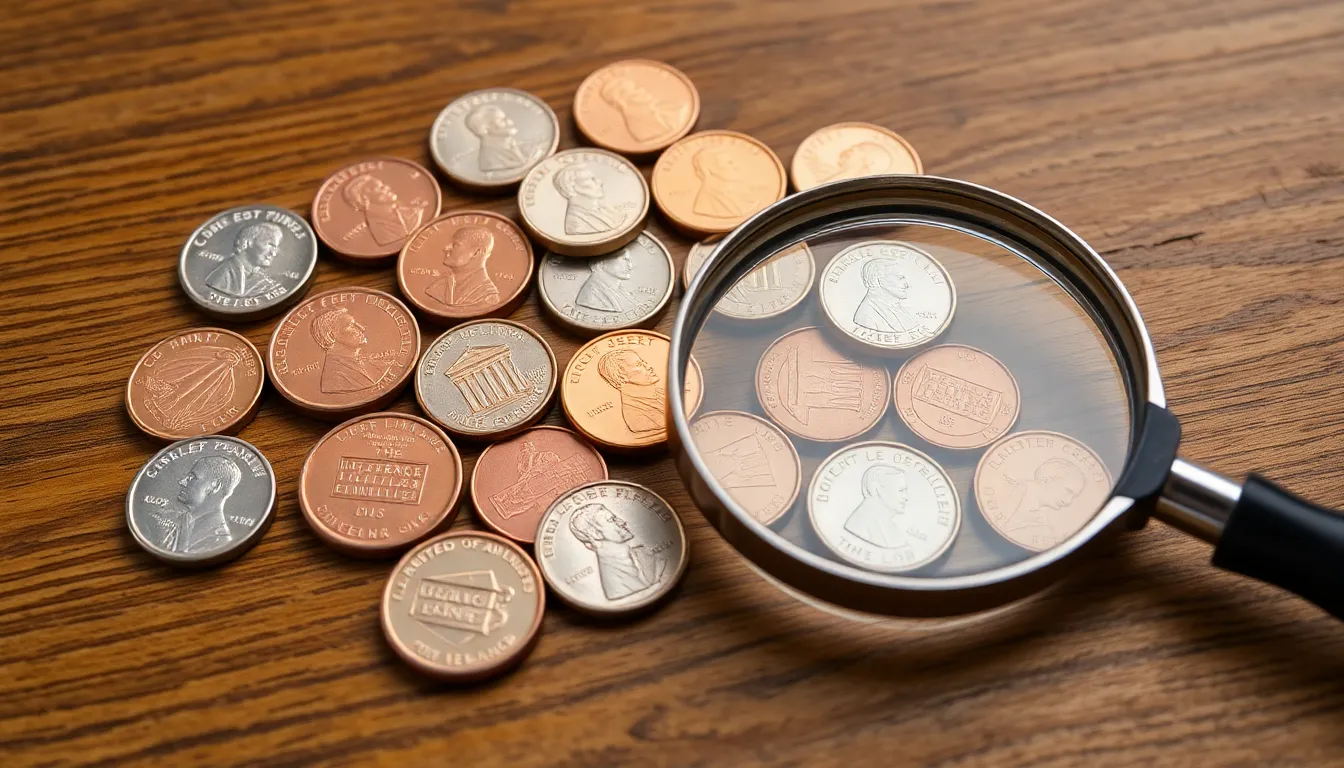
Modern pennies can hold unexpected value due to several key factors. Understanding these elements helps collectors and casual finders identify which coins are worth pursuing.
Rarity
Rarity significantly impacts the value of modern pennies. Collectors often prioritize coins that were produced in limited numbers. Examples include mint errors such as the 1983 doubled die penny or the elusive 1974 aluminum penny, both of which command high prices. Years with lower mintage, like 1984 and 1992, tend to attract attention too. Variations due to unique mint marks also contribute to rareness. For instance, a penny with a “D” mint mark from a scarce year can fetch a premium at auction.
Condition
Condition plays a crucial role in determining a penny’s value. Coins in uncirculated condition are typically worth more than those that have circulated extensively. Grade classifications like MS-65 or higher indicate optimal preservation and command higher prices in the market. Scratches, discoloration, or major wear can greatly diminish a penny’s worth. Preventing damage through careful handling preserves a coin’s value over time. Collectors often turn to professional grading services for accurate assessments, which helps establish a penny’s marketability.
Noteworthy Modern Pennies
Certain modern pennies attract collectors due to their unique features and potential worth. Below are two noteworthy examples.
1982 Copper Penny
The 1982 copper penny stands out among modern coins because of its composition. Minted before the transition to primarily zinc, this penny contains 95% copper, making it particularly sought after. Coin collectors focus on specific examples from this year, as the copper version holds significant value. Variations exist within the 1982 minting, as some pennies transitioned to zinc mid-year. Identifying the weight of the penny can confirm its material; the copper penny weighs approximately 3.11 grams, while the zinc version is lighter. Collectors can find this penny in circulation, making it a thrilling discovery for those searching through their change.
1995 Doubled Die Penny
Collectors pay special attention to the 1995 doubled die penny, known for its noticeable mint error. The doubling of lettering on the obverse distinguishes it from typical pennies. This mint error occurred at the Philadelphia mint and created coins with a striking visual appeal. Just a few thousand examples remain, contributing to its rarity and value. Enthusiasts value this penny highly, often fetching prices well over its face value in auctions. Inspecting for this unique feature can be rewarding; both inexperienced and seasoned collectors often recommend thorough examinations of 1995 pennies for potential finds.
Tips for Collecting Modern Pennies
Collecting modern pennies can be rewarding and exciting. Knowing how to evaluate the value and where to buy and sell makes the process more enjoyable.
How to Evaluate Value
For collectors, evaluating the value of modern pennies involves examining factors such as rarity, condition, and mint errors. Each penny’s rarity plays a significant role in its market worth, especially for those from years of low mintage like 1984 and 1992. Condition is another essential aspect; uncirculated coins draw higher prices than those showing signs of wear. Additionally, recognizing specific mint errors, such as the 1983 doubled die penny or the 1995 doubled die penny, can enhance a coin’s value. Analyzing resources from grading services helps assess marketability and establish an accurate value for the penny.
Where to Buy and Sell
Numerous platforms exist for buying and selling modern pennies. Auction sites like eBay offer exposure to a vast audience of potential buyers. Collectors frequently find valuable coins at local coin shops and numismatic shows, which allow for direct interaction and negotiation. Online marketplaces such as Heritage Auctions and NumisMedia provide current market trends and valuation insights. Engaging within collector communities, both online and offline, increases opportunities for transactions and networking, enhancing the collection experience.
Exploring modern pennies can lead to unexpected treasures. With a little effort and knowledge about rarity and condition, anyone can uncover valuable coins that may be hiding in their change. The thrill of finding a penny worth significantly more than its face value adds an exciting dimension to collecting.
By understanding the key factors that influence a penny’s worth collectors can enhance their search. Engaging with communities and utilizing online resources can further enrich the experience. Whether it’s a 1982 copper penny or a 1995 doubled die penny the hunt for valuable modern pennies is an adventure worth embarking on.