Saponification might sound like a fancy term best left to chemists and soap makers, but it’s actually the magical process that turns fats and oils into the sudsy goodness we all know and love. Imagine transforming mundane kitchen leftovers into luxurious, fragrant bars of soap. Who knew science could be so delightful?
Understanding Saponizacao
Saponification refers to the chemical process transforming fats and oils into soap. While creating soap, alkaline substances react with triglycerides, leading to soap and glycerin.
Definition of Saponizacao
Saponizacao, or saponification, denotes the reaction between an alkali and fat or oil, creating soap. This reaction splits triglycerides into fatty acids and glycerol. A common example involves using sodium hydroxide for solid soap or potassium hydroxide for liquid soap. Various oils, such as olive oil or coconut oil, serve as ideal triglyceride sources.
Historical Background
Historical records trace saponification back to ancient civilizations. The Babylonians used a mixture of fats and ashes around 2800 BC to make early soap-like products. The Egyptians also made soap from oils and alkaline salts as early as 1500 BC. In the 19th century, advancements in chemistry improved the soap-making process, leading to mass production. These innovations laid the groundwork for modern saponification techniques, shaping today’s diverse range of soap products.
The Science Behind Saponizacao
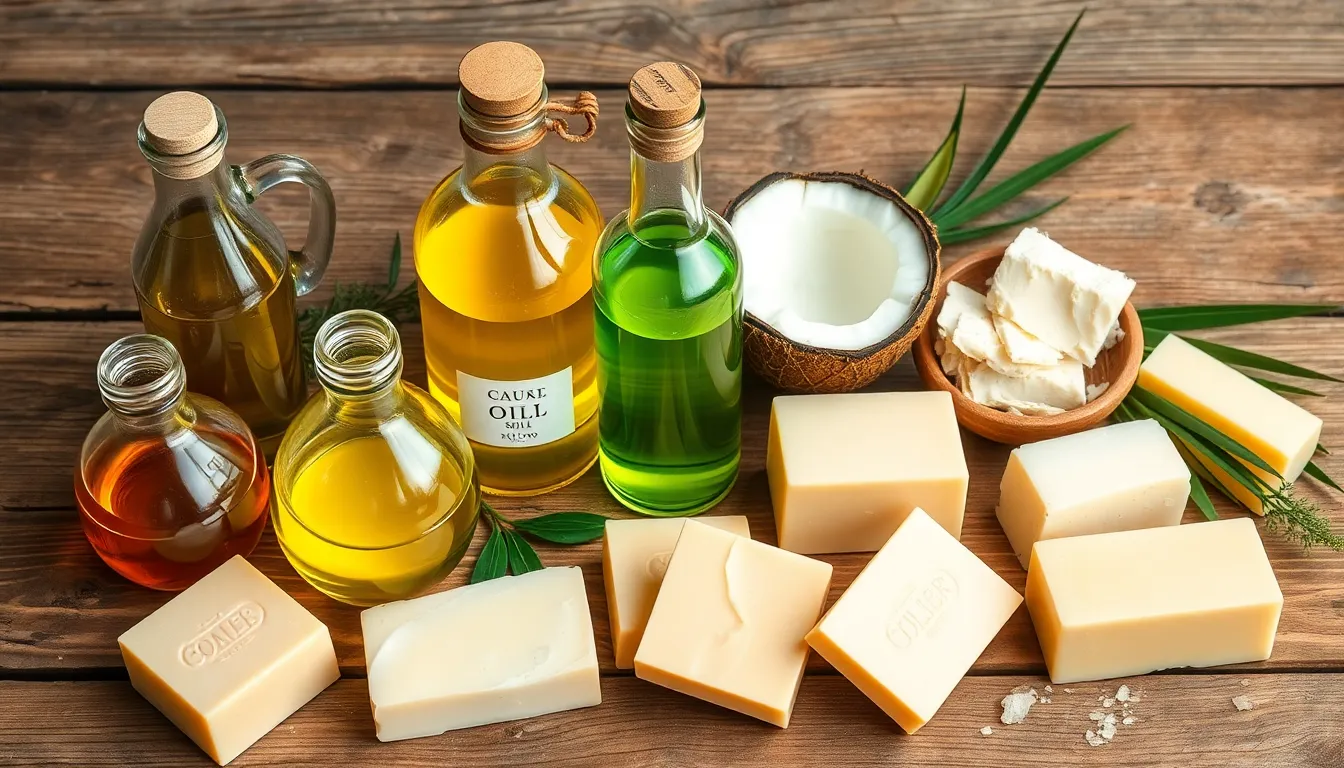
Saponification is a fascinating chemical process that transforms oils and fats into soap through a reaction with an alkali. This transformation creates both soap and glycerin, showcasing the intricate relationship between science and creativity.
Chemical Reactions Involved
Saponification occurs when triglycerides react with an alkali, breaking the ester bonds. Sodium hydroxide generates solid soap, while potassium hydroxide produces liquid soap. This reaction involves hydrolysis, yielding fatty acids and glycerol. Fatty acids then bind with alkali ions, creating soap molecules. Environmental factors such as temperature, ingredient ratios, and mixing methods influence the reaction time and quality of the soap produced. Understanding these reactions allows for precision in crafting unique soap formulations.
Types of Fats and Oils Used
Various fats and oils contribute to the saponification process. Commonly used sources include olive oil, coconut oil, palm oil, and shea butter. Each type of oil offers distinct properties to the final soap product. Olive oil provides a gentle, moisturizing effect; coconut oil lends a rich lather; palm oil contributes hardness and stability. Shea butter enriches the soap with additional skin benefits. Selecting the right combination results in unique soap characteristics and enhances the overall quality of the finished product.
Applications of Saponizacao
Saponification finds diverse applications in various industries, showcasing its versatility and importance.
In Soap Making
Soap making hinges on the process of saponification. It transforms triglycerides from oils and fats into soap and glycerin. Olives, coconuts, and palm oils are popular choices, each imparting unique properties to the final soap product. Techniques vary from cold process to hot process methods, allowing artisans to craft bars with distinctive scents and textures. Additional ingredients like essential oils and colorants can enhance both aesthetics and user experience. Many soap makers appreciate the ability to customize formulations, catering to specific skin needs and preferences.
In Food Industry
Saponification also plays a role in the food industry. The process aids in creating emulsifiers, which stabilize mixtures of oil and water in various food products. This stabilization improves texture and consistency, making items like salad dressings and sauces more palatable. In addition, saponification contributes to producing glycerin, a common sweetener and preservative found in baked goods and confectionery. Understanding this chemical process allows food manufacturers to optimize ingredient formulations, ensuring quality and safety in food production.
Benefits and Drawbacks of Saponizacao
Saponization offers significant advantages and some drawbacks. Understanding both helps in making informed decisions about its applications.
Environmental Impact
Saponization contributes positively to environmental sustainability. By utilizing natural fats and oils, it diminishes the reliance on synthetic substances. Soap made through saponization is biodegradable, allowing it to break down without harming ecosystems. Moreover, the process prevents kitchen waste by repurposing leftovers, promoting a circular economy. Some commercial soaps, however, may still contain harmful chemicals. These chemicals can pose risks to aquatic life and overall biodiversity. A careful selection of ingredients ensures that the environmental benefits outweigh the cons associated with some industrial soaps.
Economic Considerations
Saponization supports cost-effective alternatives in the soap-making industry. By using kitchen scraps, individuals save on raw materials, making homemade soap an economical choice. Many small-scale producers benefit from reduced production costs. Furthermore, the increase in demand for natural products translates into new market opportunities. Consumers are willing to pay more for eco-friendly soaps. On the other hand, initial investments in quality ingredients and equipment might seem daunting. Balancing costs with potential profits encourages entrepreneurs to explore sustainable practices. Adopting saponization ultimately enhances profitability while promoting environmental responsibility.
Saponification stands as a testament to the blend of science and artistry in soap making. This transformative process not only repurposes fats and oils into luxurious soap but also fosters sustainability by minimizing waste. By embracing saponification, individuals and businesses alike can explore creative avenues while contributing to a more eco-friendly approach. The knowledge of this chemical reaction empowers soap makers to craft unique products that cater to diverse preferences and needs. As the demand for natural ingredients continues to rise, saponification remains a valuable skill that enhances both personal and commercial soap-making endeavors.